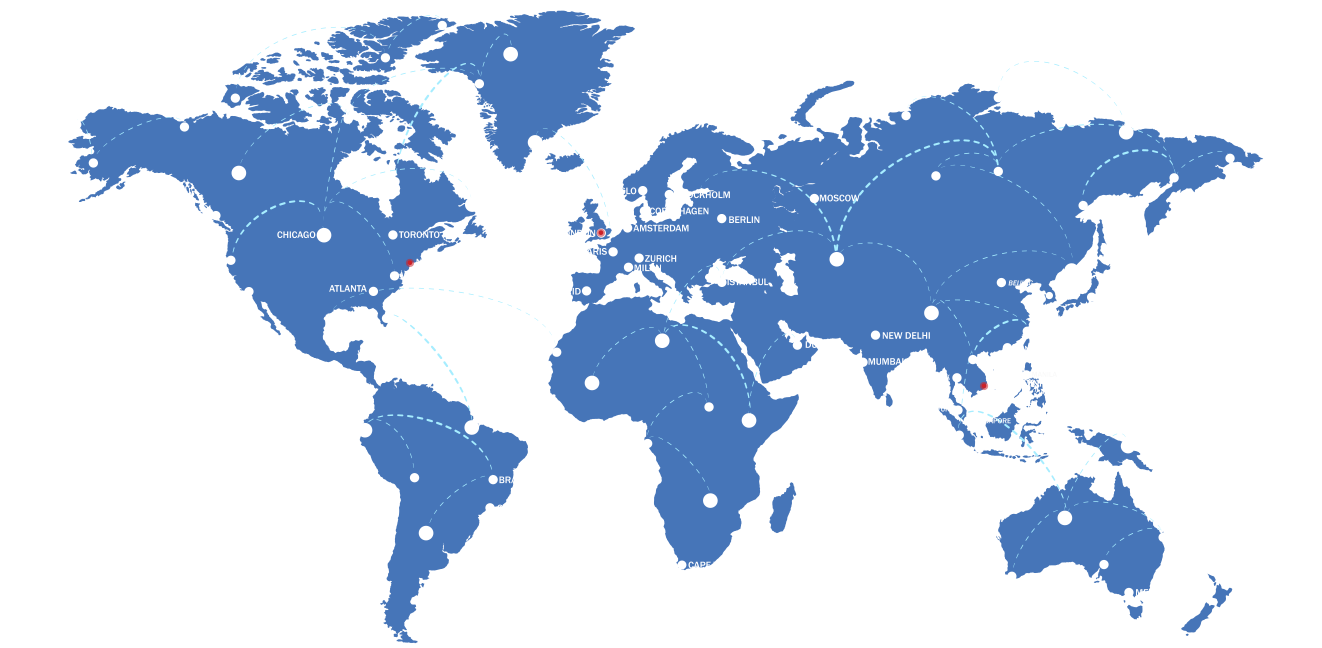

Opening up the market is an important strategy that many countries adopt to develop their economies in the context of globalization. Loosening trade policies, reducing tariff barriers, and facilitating international investment not only benefit domestic businesses but also create significant opportunities to access a large number of international customers and investors, thereby promoting sustainable development and global economic integration.
1. Opening the Market Helps Create a Favorable Environment for Domestic Businesses
Opening up the market creates a healthy competitive environment and encourages domestic businesses to improve product quality, enhance production efficiency, and improve management processes. When domestic businesses have to compete with international competitors, they will be forced to work harder to meet stringent requirements for quality, price, and customer service.
In addition, opening up the market also helps domestic businesses access new technologies and financial resources from international investors. This not only helps improve production capacity but also creates opportunities for businesses to improve products and expand consumer markets.
2. Access to a Large Number of International Customers
When a country opens its market, domestic businesses can access a larger consumer market, not only domestically but also in other countries. The international market provides significant opportunities for businesses to export their products, services, and brands, expand market share, and increase revenue.
Access to international customers helps domestic businesses better understand the needs, consumption habits, and global market trends, thereby being able to adjust product, marketing, and service strategies to suit the requirements of each market.
A clear example is that businesses exporting products from countries such as Vietnam, Thailand, or India have been able to expand their operations to the global market thanks to free trade agreements (FTAs), which help their products be easily accepted in many different countries.
3. Attracting International Investors
Opening up the market not only creates favorable conditions for domestic businesses but also increases the attractiveness of the country to international investors. When a country reduces trade barriers, protects intellectual property rights, and provides a stable legal environment, it becomes more attractive to foreign investors, including investment funds, multinational corporations, and large businesses.
International investors often look for markets with high growth potential and a stable business environment. Opening up the market helps the country attract foreign investment, creating opportunities for domestic businesses to access abundant financial resources, modern technology, and advanced business models. At the same time, international investors can also help increase the value of domestic businesses by sharing management, marketing, and innovation experiences.
4. Strengthening Global Economic Integration
When countries open their markets, they not only increase trade and investment exchange but also contribute to promoting global economic integration. Participating in international trade agreements (such as the Comprehensive and Progressive Agreement for Trans-Pacific Partnership – CPTPP, or Free Trade Agreements between regions) helps the country have the opportunity to cooperate with strong economies, strengthen connectivity, and build strategic relationships with developed countries.
International economic integration also helps the country expand political and diplomatic relations, creating a solid foundation for stable development in the future. This not only brings economic opportunities but also promotes cultural, scientific, technological, educational, and tourism exchange, thereby helping the country develop comprehensively and sustainably.
5. Creating Cooperation Opportunities and Expanding International Partnerships
A country opening up the market not only brings economic opportunities for domestic businesses but also creates opportunities for cooperation in international projects. Domestic businesses can cooperate with foreign partners to jointly develop products, technology initiatives, or build large-scale global projects.
This not only helps domestic businesses improve their competitiveness but also expands their partnership network, creating new cooperation opportunities with international companies in many fields, from research and development, production to marketing and product distribution.
Conclusion
Opening up the market is an important strategy that helps countries and businesses take advantage of the significant opportunities in the globalized environment. This not only creates a favorable environment for domestic businesses but also helps them access international resources, including customers, investors, and global partners. When countries open up and participate in the international market, they not only promote domestic economic development but also contribute to global economic integration, opening up many opportunities for sustainable development in the future.