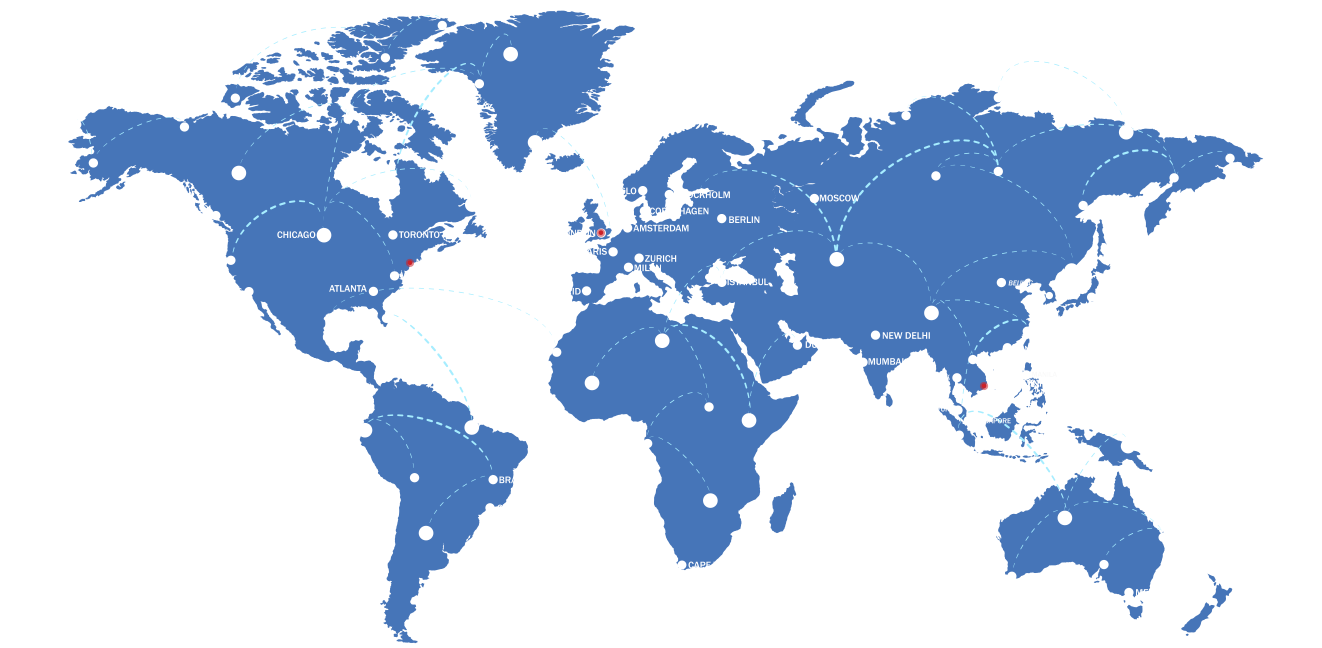

When nations attract foreign investment, it creates a positive cycle for the economy, thereby boosting GDP growth. International investment, especially foreign direct investment (FDI), can bring profound and sustainable economic benefits. Here’s how foreign investment can stimulate economic development and increase a nation’s GDP.
1. Enhancing Production Capacity and Providing Employment
One of the most visible effects of attracting foreign investment is the creation of new job opportunities. When foreign enterprises invest in a country, they build production facilities, expand industries, and thus require a large workforce. This not only helps solve employment issues but also enhances the skills and capabilities of local workers.
Creating Employment: FDI companies often need to recruit local workers, which contributes to reducing unemployment rates and improving people’s incomes.
Enhancing Labor Skills: Foreign companies often bring advanced management methods and modern technology, thereby helping to train the domestic workforce to improve professional skills and expertise.
2. Promoting Technology and Skill Transfer
Foreign investment not only brings capital but also promotes technology and skill transfer. When foreign companies invest in a country, they introduce production lines, management systems, and modern technologies that the country may not have. This helps improve labor productivity and product quality.
Improving Productivity: With advanced technology and production processes, companies can produce goods and services at lower costs and better quality.
Encouraging Innovation: Access to modern technology not only helps improve productivity but also fosters innovation in various industries.
3. Increasing Cash Flow and Capital Sources
When foreign investment enters a country, this capital flow not only creates jobs but also provides financial resources for businesses and the economy in general. FDI flows can be used to improve infrastructure, invest in manufacturing and service industries, and create financial opportunities for domestic enterprises.
Boosting Domestic Investment: When foreign companies invest in infrastructure or new projects, this can stimulate domestic investment, creating competition and economic growth.
Stimulating Investment in Strategic Industries: Foreign investors can help the country develop new industries or expand existing ones, thereby increasing the diversity of the economy.
4. Promoting Exports and Economic Growth
When foreign companies invest in a country, one of their key objectives is to access and develop international markets. This can lead to increased exports from that country, generating significant foreign exchange earnings and boosting the economy.
Increasing Export Production: Foreign companies often participate in industries with high export potential, such as manufacturing, food processing, and high-tech goods. This helps increase exports and attract more foreign currency into the national economy.
Expanding International Markets: FDI companies help connect the country with international markets, creating new opportunities for local products and services.
5. Creating a Competitive Business Environment and Encouraging Reform
Foreign investment not only brings financial resources but also encourages competition in the market. When foreign companies enter the market, they bring innovative business strategies, thereby encouraging domestic enterprises to improve products, services, and workflows.
Improving Operational Efficiency: Competition between domestic and foreign enterprises promotes domestic companies to improve quality and reduce production costs.
Promoting Policy Reform and Business Environment: To attract more foreign investment, the government frequently reforms economic policies, improves infrastructure, and enhances the quality of the legal environment, thereby creating a more favorable business environment for all enterprises.
6. Increasing Government Budget Revenue
Another important impact of attracting international investment is increasing national budget revenue through taxes from FDI companies and from production and business activities.
Tax Revenue from FDI Enterprises: FDI companies contribute to the national budget through taxes such as corporate tax, import and export tax, and value-added tax (VAT). This helps increase budget revenue and supports other economic development programs.
Creating Financial Resources for Infrastructure Development: Attracting foreign investment helps the government have financial resources to continue investing in infrastructure areas such as transportation, healthcare, and education, thereby promoting sustainable economic development.
Conclusion
Attracting foreign investment is not simply about increasing capital growth but also creating a sustainable development cycle that brings multi-faceted benefits to the economy. Foreign investment contributes to enhancing production capacity, creating jobs, promoting exports, improving infrastructure, and supporting the development of strategic industries. All of these factors will contribute to boosting GDP growth, thereby helping the country develop economically in a strong and sustainable manner.