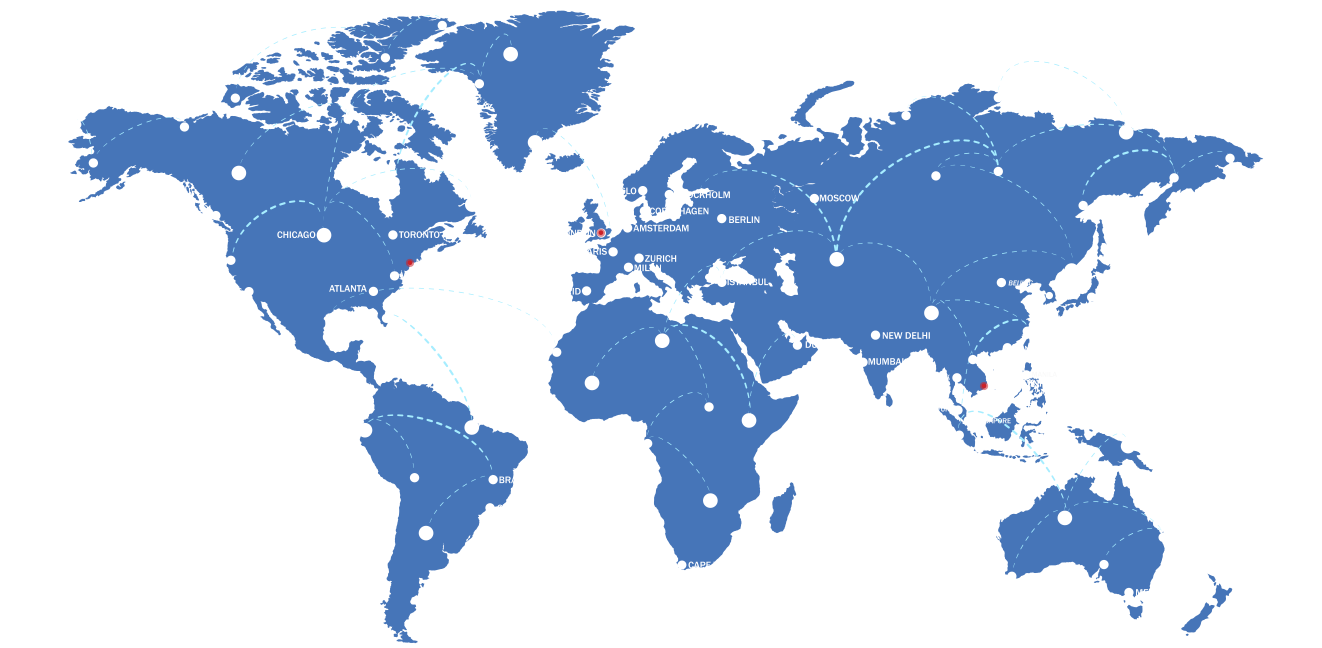

The development of businesses not only brings direct benefits to the companies themselves but also plays a crucial role in the prosperity of the nation and the global economy. Businesses, from startups to multinational corporations, have a profound impact on various economic, social, and political factors. They are not only units that create economic value but also drivers of innovation, job creation, and national infrastructure development. Additionally, in the context of globalization, businesses also play a pivotal role in connecting economies, contributing to sustainable growth for the global economy.
1. Creating Economic Value for the Nation
Businesses are the source of added value in a nation’s economy. They produce goods, provide services, and create high-value products, thereby contributing to GDP (gross domestic product). The development of businesses helps the nation increase its production capacity and improve the quality of life for its citizens.
a. Increasing Income and Consumption
As businesses grow, they create more jobs, helping to increase income for workers. This not only raises the living standards of the people but also creates strong purchasing power, promoting consumption and stimulating economic growth. Additionally, the increase in income from business activities helps the nation collect more taxes, which can then be reinvested in public sectors such as education, healthcare, and infrastructure.
b. Innovation and Productivity Enhancement
Businesses, especially those that are innovative and have advanced technology, play an important role in promoting innovation. Investing in research and development (R&D) helps create new products, technologies, and improve production processes, thereby increasing labor productivity. This innovation not only helps businesses maintain a competitive edge but also helps the nation maintain and develop in the global economic environment.
2. Creating Jobs and Reducing Poverty
The development of businesses is directly related to the creation of jobs for workers. Companies expanding operations, opening new branches, and developing new products will need more human resources, thereby creating millions of job opportunities in the economy.
a. Reducing Unemployment Rates
Businesses are the main source of jobs in society. When they develop, the demand for recruitment increases, which helps reduce unemployment rates and creates a strong and skilled workforce. This is an important factor that helps economic growth and social stability.
b. Improving Community Living Standards
Companies not only create jobs but also have a positive impact on the surrounding community. They can contribute to social activities such as sponsoring education, healthcare, and developing local infrastructure. When businesses develop, the living standards of residential communities are also improved through welfare projects, training programs, and creating a better living environment.
3. Strengthening International Connectivity and Cooperation
In the era of globalization, businesses not only operate within the nation but also expand around the world. The development of businesses helps connect nations through exports, foreign investment, and international cooperation. This helps strengthen cross-border trade and investment, thereby promoting the growth of the global economy.
a. Promoting International Trade
Businesses expanding into international markets not only promote domestic growth but also contribute to the development of other economies through the export of products and services. This expansion helps enhance the linkages between economies, creates new trade opportunities, and improves the efficiency of resource allocation.
b. Global Investment and Cooperation
When businesses expand their global operations, they can cooperate with international partners to share resources, technology, and expertise. Investing in emerging markets not only benefits businesses but also contributes to the economic development of recipient countries. This process also promotes technology transfer, increases productivity, and competitiveness for businesses and nations.
4. Positive Impact on the Global Economy
The development of businesses not only affects the national economy but also contributes to promoting the global economy. When businesses expand internationally, they not only increase market share but also contribute to improving the quality of life for people around the world. Their products and services can solve global problems, from improving healthcare, mitigating climate change, to promoting sustainable initiatives.
a. Strengthening Economic Cooperation
Businesses play a bridging role in building international trade agreements and economic cooperation. Expanding into global markets helps countries participate in a larger economic ecosystem, where businesses can benefit from trade preferences and cooperation.
b. Transfer of Technology and Knowledge
The development of global businesses contributes to the transfer of technology and knowledge, not only in modern industries but also in traditional manufacturing sectors. This helps improve production capacity and address global economic challenges such as poverty reduction, improving education, and raising the quality of life.
Conclusion
The development of businesses is an important factor in promoting the prosperity of the nation and the global economy. Not only creating economic value in the country, businesses also help increase jobs, improve living standards, and connect nations through trade and international cooperation. When businesses develop strongly, they not only enhance competitiveness in the national economy but also contribute to the growth and stability of the global economy.