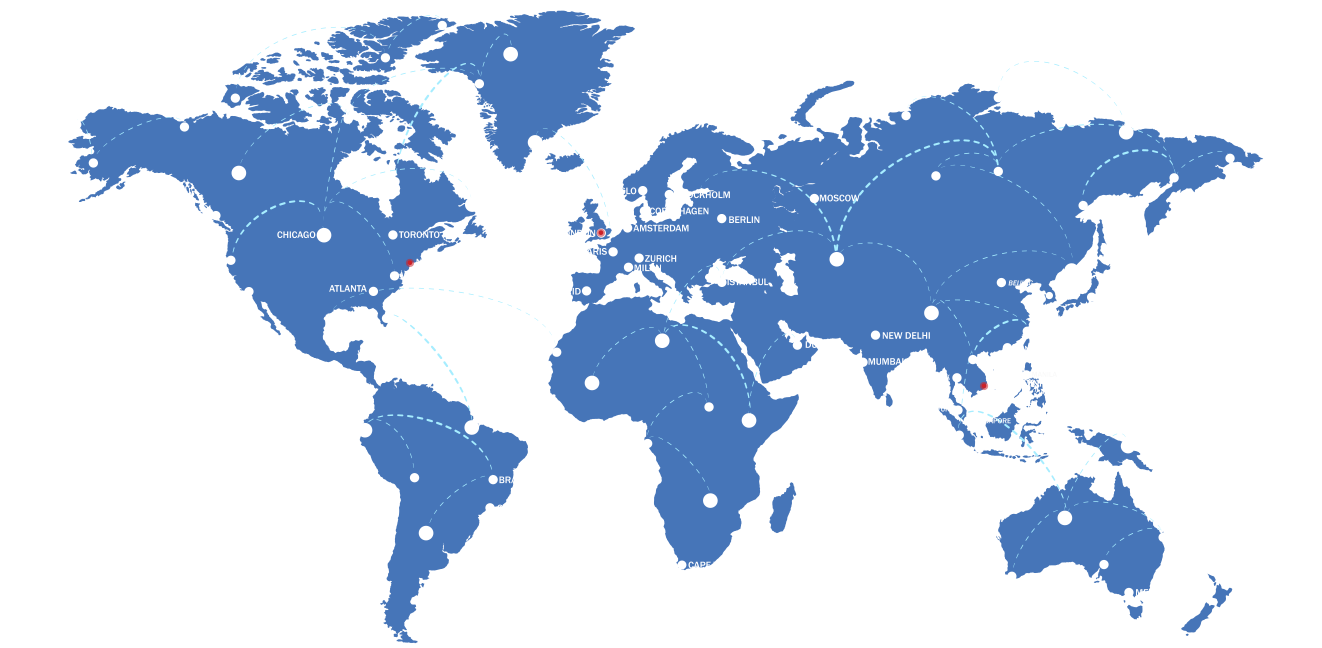

In today’s globalized context, training and developing human resources with international qualifications has become an urgent requirement for countries and businesses. The rapid development of new technologies, changes in market demands, and global connectivity require organizations to prepare a workforce that not only has specialized knowledge but also the ability to work and compete in an international environment. To maintain sustainable development, countries and businesses need to focus on training and developing human resources with international qualifications.
1. Why is it Necessary to Train Human Resources with International Qualifications?
a. Enhancing Global Competitiveness
One of the key factors helping countries and businesses compete effectively on the international stage is a workforce with international qualifications. As businesses expand into global markets, employees with knowledge of international culture, markets, and regulations will help businesses overcome challenges and maximize opportunities.
Example: Large companies like Apple, Google, and Microsoft have built teams of employees with global skills and mindsets so they can participate in different markets and develop products tailored to the needs of each international market.
b. Creating a Multicultural Work Environment
A global work environment requires employees not only to have specialized knowledge but also to know how to communicate and work effectively in a multicultural environment. Training human resources with international qualifications helps build a team capable of understanding and respecting cultural differences, thereby promoting cooperation and more effective teamwork.
Example: Companies like Procter & Gamble and Unilever always focus on training their employees in cross-cultural communication skills and applying global management principles to develop in many different countries.
c. Promoting Innovation and Creativity
A workforce with international qualifications can help businesses promote innovation. When employees are equipped with skills and knowledge of international markets, they will be able to come up with creative ideas and innovative solutions that can meet the needs and demands of global consumers.
Example: Tesla, with its global workforce, has continuously innovated and launched advanced technology products, while also expanding operations to many countries, leading the field of electric vehicles.
2. Methods of Training Human Resources with International Qualifications
a. Global Leadership Training
For countries and businesses to develop and compete effectively in a global environment, it is crucial to train leaders with a global vision. These leaders are not only capable of leading and managing teams domestically but also have the ability to understand and lead international business activities.
Global leadership training programs will help managers develop strategic, communication, and management skills in a multicultural environment, thereby helping businesses achieve global success.
b. Training in International Communication Skills and Global Project Management
One of the key factors helping businesses and countries develop is international communication and global project management skills. Training programs can provide employees with the skills to work effectively with international partners, while also helping them manage projects in different markets and cultures.
Benefits: Helps employees better understand the specifics of the international market and develop the ability to solve problems in managing and implementing global projects.
c. Using Technology for Training
With the development of technology, international workforce training has also become easier and more effective. Online courses, distance learning programs, and e-learning tools can help employees access specialized knowledge and skills without being limited by space and time.
Benefits: Helps businesses save training costs and time, while also providing continuous learning opportunities for employees anywhere in the world.
d. Cross-Cultural Training
For countries and businesses operating on a global scale, understanding the culture and customs in different markets is very important. Cultural training programs will help employees develop the ability to work in multicultural environments, thereby enhancing their ability to communicate and cooperate with international partners.
Example: General Electric (GE) provides training programs on global corporate culture to help employees understand how to work in different markets, which helps them easily adapt and communicate effectively in an international environment.
3. Challenges in Training and Developing Human Resources with International Qualifications
a. Cultural Differences
One of the biggest challenges in training human resources with international qualifications is cultural differences. This can create barriers in communication and teamwork, leading to misunderstandings and conflicts.
Solution: Businesses and countries need to provide training programs that help employees understand and respect cultural differences, while also building a cooperative and effective working environment.
b. High Investment Costs and Resources
Training human resources with international qualifications requires a significant investment of time, costs, and resources. Designing effective training programs that are appropriate for different countries and cultures can be a major challenge for organizations.
Solution: Businesses need to invest in online training technologies and e-learning platforms to reduce training costs, while also helping employees access courses anytime, anywhere.
c. Measuring and Evaluating Training Effectiveness
Measuring and evaluating the effectiveness of international human resource training programs is not always straightforward. A clear evaluation system is needed to measure training results and its impact on job performance and business development.
Solution: Organizations need to develop tools to measure and evaluate training effectiveness in order to optimize training programs in the future.
Conclusion
Training and developing human resources with international qualifications is an important factor in helping countries and businesses develop sustainably in a globalized environment. By equipping employees with the necessary skills and knowledge, from leadership and project management to understanding international cultures and markets, organizations will be able to compete and succeed on the global stage. However, to succeed, countries and businesses need to overcome challenges such as cultural differences, high training costs, and measuring training effectiveness, while also leveraging new technologies to optimize the training process.