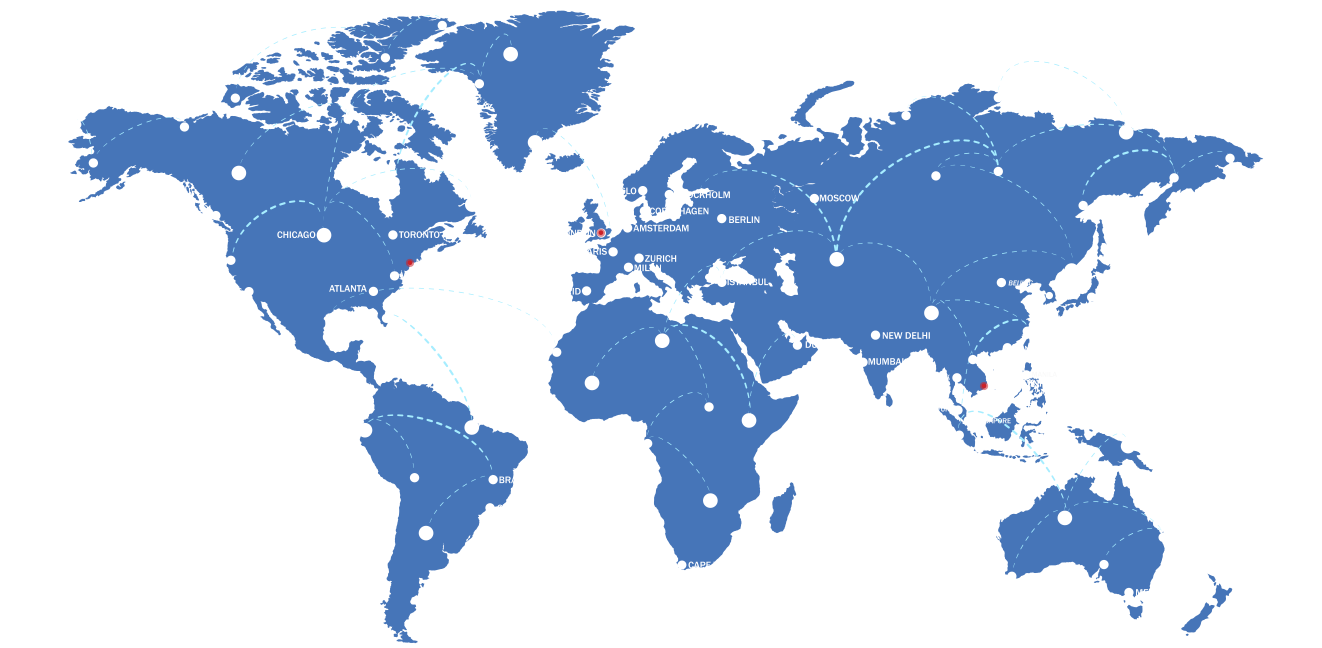

Investing in infrastructure such as seaports, airports, transportation systems, and power grids not only reduces operating costs for businesses but also creates a favorable business environment, enhances competitiveness, and attracts foreign investment. Infrastructure is a decisive factor in connecting regions domestically and internationally, promoting international trade, and facilitating the sustainable development of the economy.
1. Reduced Operating Costs and Increased Competitiveness
Modern infrastructure helps reduce operating costs for businesses in the production and distribution of goods. When countries invest in seaports, airports, and transportation systems, the transportation of goods becomes faster, more efficient, and less expensive.
Seaports and Airports: Modern seaports and airports help businesses transport goods more easily, reducing delivery times and transportation costs, while expanding access to international markets. For export businesses, having developed seaports and airports will minimize international transportation costs, making products more competitive.
Transportation Systems: Investing in roads, railways, and public transportation helps the movement of goods and labor between regions within the country become more convenient, thereby reducing traffic congestion and saving time for businesses.
2. Creating Conditions to Attract Foreign Investment
One of the important factors for attracting international investment is high-quality infrastructure. International investors are always looking for countries with strong infrastructure to ensure they can operate their businesses efficiently, minimizing risks and costs.
Favorable Investment Environment: Good infrastructure helps international businesses reduce initial investment costs, easily maintain operations, and expand scale. Investors often look at the ability to access global markets and the ease of operating production and distribution of products.
Modern Infrastructure and Global Connectivity: Countries with developed seaports, airports, and transportation systems will attract multinational corporations and large investors. Especially in the manufacturing, technology, and e-commerce industries, infrastructure plays a vital role in optimizing costs and operations.
3. International Competitiveness
Investing in infrastructure helps countries improve their competitiveness on the international stage. Good infrastructure not only helps domestic businesses develop but also attracts international businesses looking to enter the local market.
Enhancing Competitiveness: When a country has a developed infrastructure system, businesses can reduce operating costs and increase competitiveness in the international market. Products with competitive prices and fast service will easily dominate the global market.
Creating Motivation for Innovation: Good infrastructure will promote innovation in production and service delivery. Companies can invest in research and development (R&D) because they do not have to worry about the disadvantages of underdeveloped infrastructure.
4. Connecting Regions and Promoting Comprehensive Development
Infrastructure is not only related to the development of key economic regions but also helps connect the remaining regions in the country, creating even and comprehensive development.
Connecting Domestic Regions: Investing in transportation and power grids helps domestic and foreign businesses connect easily between regions, promoting the production and distribution of goods to the market. This helps reduce dependence on large urban areas and creates opportunities for rural or less developed areas.
Even Development: Developed infrastructure helps reduce disparities between regions in the country, thereby creating economic development opportunities for all regions, not just large cities.
5. Improving the Business Environment and Expanding Investment Opportunities
Investing in infrastructure also helps improve the quality of the living and working environment, thereby creating a favorable business environment and attracting investors.
Social Infrastructure: Infrastructure such as electricity, water, telecommunications, education, and healthcare also plays an important role in improving the quality of life. This helps attract talent and retain a high-quality workforce, while minimizing dependence on inadequate infrastructure.
Quality of Life: A synchronized infrastructure system helps improve the quality of life of people, thereby attracting international experts and foreign businesses. Convenience in transportation and convenient infrastructure will make international businesses feel secure when investing.
Conclusion
Investing in infrastructure, especially in areas such as seaports, airports, transportation systems, and power grids, not only helps reduce operating costs for businesses but also enhances national competitiveness and attracts international investment. This is a key factor in helping the country build a solid foundation for sustainable development and integration into the global economy.