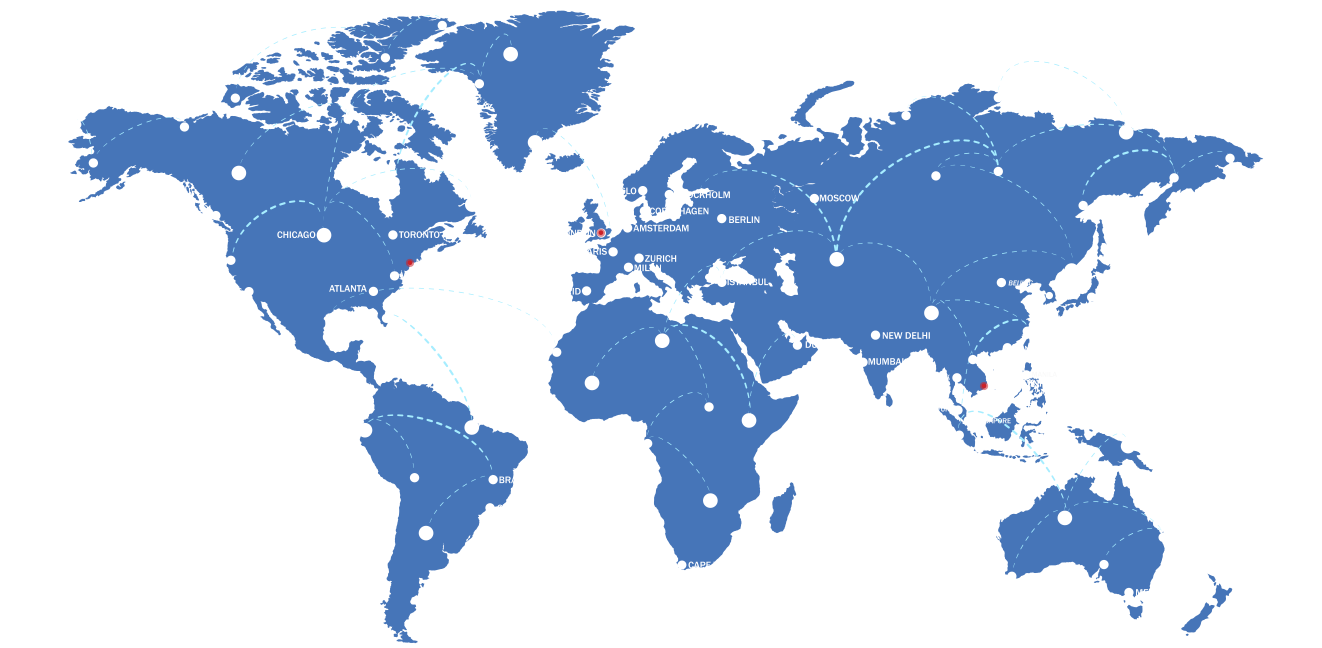

International investment not only has a direct impact on the economic development of nations but also plays a crucial role in improving infrastructure and developing social sectors, thereby enhancing the quality of life for citizens. When countries receive investment capital from abroad, they not only attract new technologies and efficient production processes but also have the opportunity to develop infrastructure areas such as transportation, healthcare, education, and public services. These are essential factors that help people live in a favorable environment and have a higher quality of life.
1. Improving Infrastructure
Infrastructure is a crucial foundation for the economic and social development of each nation. International investment in infrastructure projects such as transportation, energy, and public works not only helps improve the operational efficiency of the economy but also creates better living conditions for citizens.
Transportation and logistics: Investment in transportation infrastructure, including roads, railways, seaports, and airports, helps connect regions within the country and internationally, promoting trade and the exchange of goods. Developed countries such as China, India, and Brazil have leveraged international investment to develop modern transportation systems, helping to reduce congestion, save travel time, and enhance production capacity. A smooth transportation system also creates convenience for people in their daily lives and work.
Energy supply: International investment in the energy sector not only helps countries meet increasing energy consumption needs but also creates renewable energy projects, contributing to sustainable development. Investments in clean energy such as wind power, solar power, and hydropower help reduce dependence on fossil fuels, protect the environment, and improve the quality of life for citizens by providing a clean and stable energy source.
Clean water and sanitation systems: Investment in water supply and environmental sanitation infrastructure is an important factor in improving the quality of life for citizens. International projects on clean water and wastewater treatment systems have helped many countries reduce water shortages and environmental pollution. This not only reduces disease but also improves public health, bringing a healthy living environment for people.
2. Developing Social Sectors
In addition to improving infrastructure, international investment also contributes to the development of social sectors, from education and healthcare to public services, creating a better living environment for citizens.
Education and training: International investment in the education sector helps improve the quality of education and training, creating learning opportunities for everyone. Countries receiving investment from abroad can upgrade the facilities of schools, develop specialized training programs, and improve the learning environment. These investments help prepare young generations with the skills needed to participate in the global labor market. Good quality education also plays an important role in reducing unemployment and enhancing the competitiveness of the nation.
Healthcare and medical care: International investment in the healthcare sector not only helps build modern hospitals and medical centers but also helps improve healthcare services for citizens. International organizations and multinational corporations often invest in the healthcare sector, providing advanced technologies, modern medical equipment, and training high-quality healthcare personnel. This helps countries improve public health care, reduce disease rates, and extend the life expectancy of citizens.
Public services: International investment also helps countries improve public services such as social security, medical welfare, and support programs for the poor. These services not only help reduce social inequality but also ensure that all citizens have access to basic services such as healthcare, education, and social security. When public services are enhanced, the quality of life of citizens is also improved, creating a more stable and equitable society.
3. Enhancing the Quality of Life for Citizens
One of the important impacts of international investment is enhancing the quality of life for citizens, not only by creating jobs and increasing income but also by improving basic living conditions. When infrastructure is improved and public services are upgraded, citizens will benefit from a better and safer living environment.
Reducing poverty and inequality: International investments often help create many new job opportunities, while also increasing income for citizens. This has a positive impact on reducing poverty and social inequality. When people have stable incomes and access to public services, they can improve the quality of life for themselves and their families.
Strengthening social security and stability: Improving infrastructure, healthcare, and education services, as well as public services, helps ensure social security and create a stable living environment. When people can access these services, they feel more secure about their future and their lives. This also helps build a harmonious society where everyone has the opportunity to develop and live in a fair environment.
Conclusion
International investment not only promotes economic growth but also brings practical benefits to citizens by improving infrastructure and developing social sectors. Countries receiving international investment capital can improve the quality of education, healthcare, and public services, thereby enhancing the quality of life for citizens. International investment not only helps create jobs and increase GDP but also makes an important contribution to building a sustainable developed society, where everyone has the opportunity to enjoy the benefits of economic and social development.