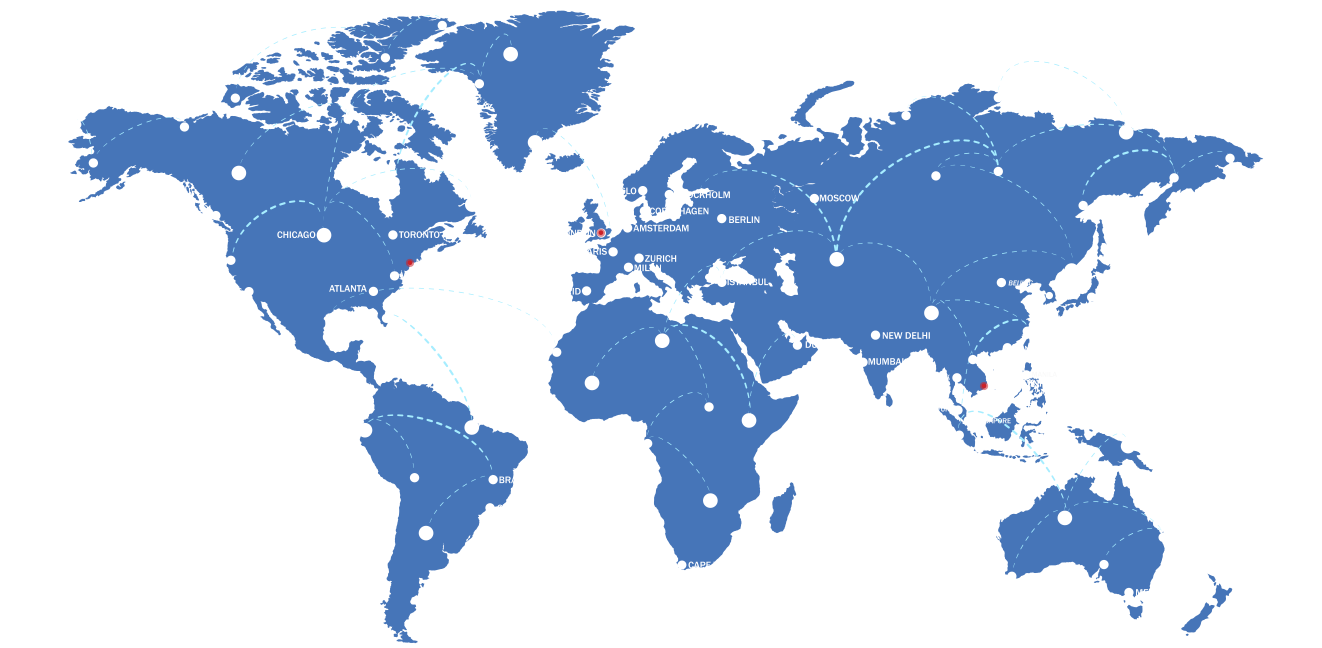

In the context of globalization and international economic integration, attracting international investment capital has become a key factor in promoting the economic development of nations. International investors not only provide important financial resources for businesses but also bring long-term benefits to the economy, including job creation, increased labor productivity, and infrastructure development.
1. Job Creation
One of the most obvious benefits of attracting international investment capital is the ability to create many jobs. When international investors, including multinational corporations, venture capital funds, or FDI funds, invest in a country, they not only provide capital but also contribute to the development of domestic enterprises. These enterprises, especially in the fields of manufacturing, technology, services, and retail, will expand their operations and thereby create thousands of jobs for local workers.
Job creation not only reduces unemployment rates but also helps workers improve their professional skills and income. International investors often require a highly skilled and specialized workforce, which encourages countries to improve their education and vocational training systems to meet the needs of the labor market.
2. Increased Labor Productivity
In addition to creating jobs, international investment capital also helps increase labor productivity. Foreign businesses often apply modern technologies and advanced management methods, helping to increase work efficiency and reduce production costs. When international companies invest in domestic businesses, they bring not only capital but also new technologies, optimized workflows, and specialized knowledge. This helps workers learn new skills and more efficient ways of working.
With investment in technology and automation processes, businesses can minimize manual labor, enhance production capacity, and improve product quality. This not only helps increase labor productivity but also helps countries maintain competitiveness in the global market.
3. Infrastructure Development
International investment, especially from FDI funds, contributes significantly to the development of national infrastructure. International businesses, when investing in a country, often require the construction or improvement of essential infrastructure such as roads, seaports, airports, electricity, water, and telecommunications systems. This not only helps businesses operate more efficiently but also brings great benefits to the people and the national economy.
In addition, international investment projects can also improve infrastructure in the fields of education, health, and the environment. Investments in these sectors will help improve the quality of life for people, creating a more favorable living and working environment. Improving infrastructure also contributes to attracting more international investors, creating a sustainable development cycle.
4. Long-Term Economic Benefits
International investment capital not only creates short-term benefits such as job creation and infrastructure development but also brings long-term benefits to the national economy. These investments help improve the competitiveness of domestic industries, promote innovation and technology transfer, and create development opportunities for key industries such as information technology, energy, and clean manufacturing.
Besides, international investment also promotes economic cooperation between countries and creates an open, transparent, and opportunity-filled business environment. This not only gives countries more motivation to reform and innovate but also helps improve the country’s position on the international stage.
5. Conclusion
Attracting international investment capital brings extensive benefits to both businesses and the national economy. It not only helps create jobs, increase labor productivity, and improve infrastructure but also contributes to sustainable development and enhances the competitiveness of the economy. However, to maximize the benefits of international investment, countries need to create a transparent, stable, and favorable investment environment while promoting long-term development policies to ensure that international investment will bring long-term benefits to both businesses and people.