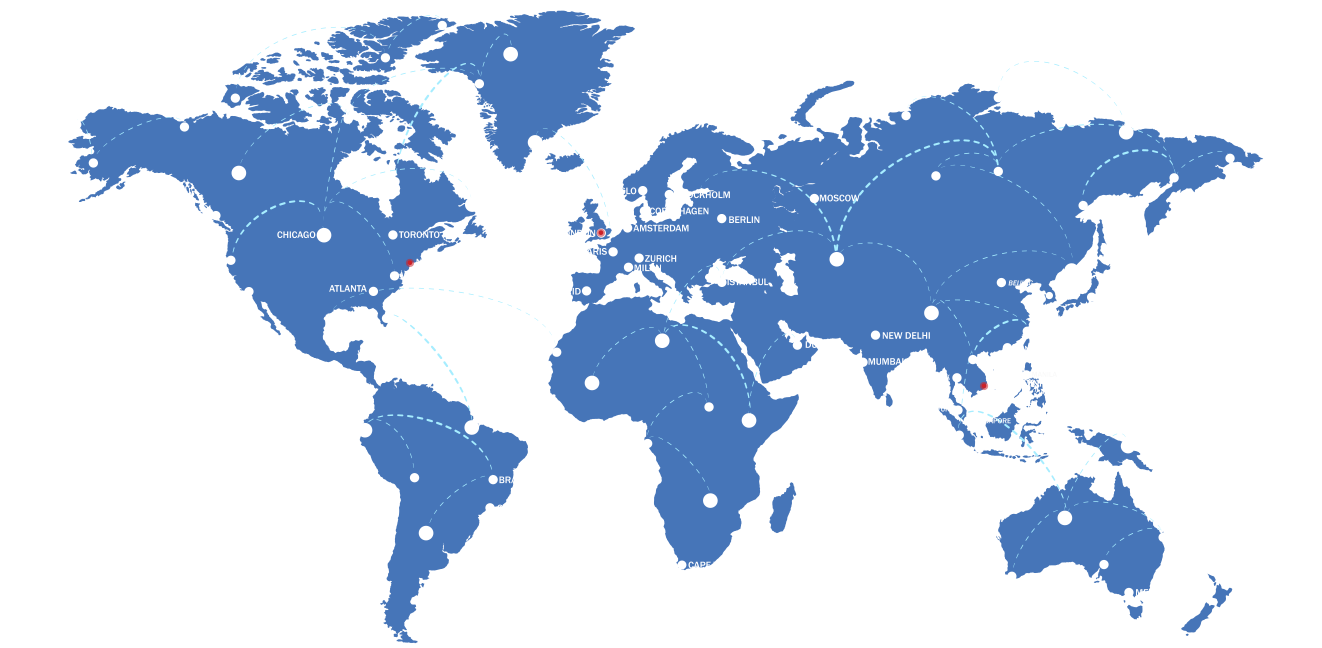

In the context of globalization and the strong development of the world economy, international investment cooperation is increasingly becoming an important factor in promoting economic growth, developing infrastructure, and creating job opportunities. International investment cooperation not only brings benefits to participating countries but also creates strategic opportunities for global businesses and investors. This article will analyze the importance of international investment cooperation, current trends, and new opportunities it offers.
1. International Investment Cooperation: Concept and Importance
International investment cooperation is a form of cooperation between countries, businesses, or international organizations in implementing cross-border investment projects. International investment can include forms such as foreign direct investment (FDI), indirect investment, infrastructure development cooperation, as well as strategic alliances in key industries such as technology, energy, and finance.
The importance of international investment cooperation is significant. International investment not only helps countries access abundant capital sources and advanced technology but also creates opportunities for sustainable development and increases economic influence on the international stage. In particular, developing countries can benefit from international investment to promote industrialization, modernize infrastructure, and improve the quality of life for their citizens.
2. Forms of International Investment Cooperation
a. Foreign Direct Investment (FDI)
Foreign direct investment (FDI) is the most common form of international investment cooperation, in which a company or individual from one country invests in assets or businesses in another country. FDI can be in the form of purchasing shares, building production facilities, or public-private partnership projects.
Benefits of FDI: For recipient countries, FDI helps create jobs, transfer technology, improve infrastructure, and drive economic growth. For investors, FDI provides opportunities to expand markets, increase profits, and enhance global presence.
Example: Samsung Group invests in Vietnam with mobile phone manufacturing plants, which not only enhances production capacity but also creates thousands of jobs and promotes the country’s industrial development.
b. Indirect Investment and Stock Markets
In addition to FDI, indirect investment through stock markets and investment funds is also an important form of international investment cooperation. International investment funds, such as venture capital (VC) funds, private equity (PE) funds, or ETF funds, often participate in stock markets in different countries, especially in emerging markets.
Benefits of indirect investment: Investors can access a range of investment opportunities without directly participating in production or business activities. Indirect investment offers high returns but also comes with certain risks related to market volatility and the policies of the host country.
c. Public-Private Partnership (PPP)
Public-private partnership (PPP) is a form of cooperation between the government and private businesses to implement important infrastructure projects such as building highways, airports, hospitals, and schools. PPP projects often help reduce the financial burden on the government while providing businesses with the opportunity to participate in large-scale projects with stable profits.
Benefits of PPP: For countries, PPP helps save public financial resources, enhances the efficiency of public projects, and promotes sustainable development. For businesses, PPP provides opportunities to participate in long-term stable projects and receive support from the government.
3. New Trends in International Investment Cooperation
In recent years, international investment cooperation has witnessed several notable trends, reflecting changes in the way and motivation of global investment.
a. Investment in Technology and Innovation
Technology and innovation are areas that attract great interest from international investors. Fields such as artificial intelligence (AI), blockchain, financial technology (FinTech), and biotechnology are becoming highlights in international investment projects. In particular, countries and corporations with advantages in the technology sector can leverage international cooperation to promote innovation and increase their position in the global market.
Example: Major technology companies such as Google, Amazon, and Alibaba not only invest in emerging markets but also establish research and development centers in these countries to exploit local talent and promote innovation.
b. Sustainable Investment and Renewable Energy
With increasing concerns about climate change and environmental issues, international investors are increasingly focusing on sustainable projects, especially in renewable energy sectors such as solar, wind, and hydropower. Countries and businesses are collaborating to develop green energy solutions, helping to minimize negative impacts on the environment and promote sustainable development.
Example: Siemens Group has partnered with international partners to deploy wind energy projects in many countries, contributing to reducing emissions and transitioning to clean energy sources.
c. Investment in Emerging Markets
Emerging countries and regions such as Southeast Asia, Africa, and Latin America are becoming attractive destinations for international investors. These countries offer great opportunities due to strong economic growth, young populations, and large demand for infrastructure.
Example: Southeast Asian countries such as Vietnam, Indonesia, and Thailand have attracted significant FDI thanks to investment incentive policies, political stability, and strategic location in the Asia-Pacific region.
4. Opportunities and Challenges in International Investment Cooperation
Opportunities
Sustainable economic growth: Countries participating in international investment cooperation can increase the rate of economic development, create more job opportunities, and develop key industries.
Access to advanced technology: International investment helps countries access new technologies, promote innovation, and enhance competitiveness.
Improved infrastructure: International investment projects help develop important infrastructure, thereby improving the quality of life for people.
Challenges
Political and economic risks: Political instability, conflicts, and changes in the policies of countries can affect investment projects.
Legal barriers: Differences in legal regulations between countries can create barriers for international investors, especially in areas such as intellectual property, environment, and labor.
Market volatility: Changes in exchange rates, interest rates, and the global economic situation can affect profits from investment projects.
5. Conclusion
International investment cooperation is an important tool to promote economic development and increase linkages between countries. By leveraging opportunities from new trends, such as investment in technology, renewable energy, and emerging markets, countries and businesses can build effective investment strategies, while overcoming challenges to create sustainable value in an ever-changing global economic environment.