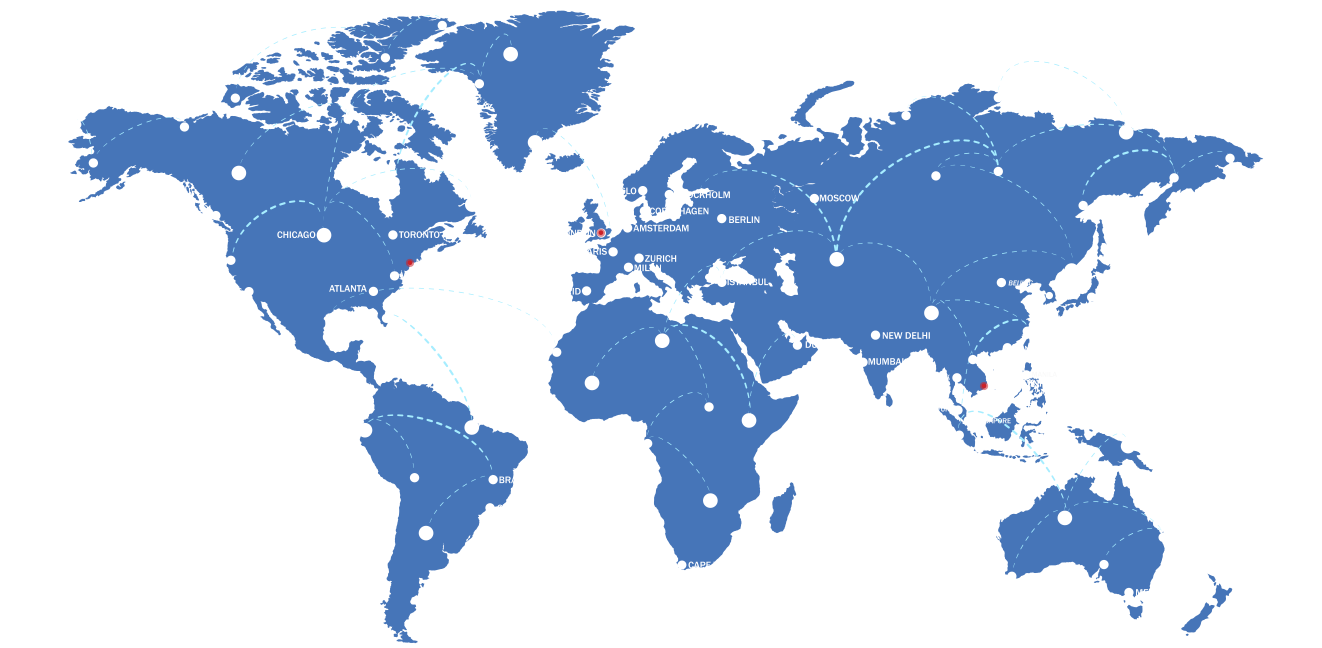

In today’s business world, with the increase in globalization, businesses are not only operating within national boundaries but also expanding into international markets. To be successful in this environment, two essential elements are international communication skills and global project management. Training in these skills helps individuals and organizations not only overcome cultural barriers but also effectively manage multinational projects, promote global collaboration, and achieve optimal business outcomes.
1. International Communication Skills
International communication is one of the most important skills in the global work environment, helping businesses build strong and lasting relationships with international partners. These communication skills include the ability to understand and adapt to different cultures, communicating effectively with people who have different perspectives and values.
1.1 Cultural Understanding and Intercultural Communication
Each country and region has its own cultural characteristics, which affect how people communicate and interact at work. A manager or employee needs to understand these differences to avoid unnecessary mistakes when working with partners from different cultures.
For example, while in Western countries, direct and clear communication is important, in Eastern countries, indirect communication and respect are prioritized. Employees and leaders need to be trained to be aware of these differences, and from there, use communication strategies appropriate to each culture, helping to increase cooperation efficiency and avoid misunderstandings.
1.2 Non-Verbal Communication Skills
Communication is not only based on words but also depends on body language, gestures, and eye contact. Especially in an international environment, understanding how to use non-verbal cues appropriate to the local culture is very important. This skill helps minimize unnecessary misunderstandings and maintain sustainable working relationships.
1.3 Communication in Difficult Situations
In the international business environment, sometimes negotiations or meetings can become tense due to differences in opinions and interests. Communication skills in these situations are very important, helping to resolve conflicts reasonably and effectively without harming partnership relationships.
2. Global Project Management
Global project management is one of the complex and sophisticated tasks, because it involves coordinating teams in many countries, dealing with different cultural factors, legal regulations, and the ability to maintain project progress and quality in constantly changing conditions.
2.1 Planning and Organizing Global Projects
To manage a global project effectively, detailed planning and rational organization are very important. Global project management requires managers to define clear strategic goals, allocate resources effectively, and plan for each stage of implementation.
At the same time, ensuring that project teams in different countries are synchronized and working according to a unified roadmap is very important to avoid overlap and minimize errors in the project implementation process.
2.2 Managing International Teams
An important factor in global project management is the ability to build and manage international teams. Team members may come from many cultures, with different working styles and attitudes. Therefore, managers need to have multicultural leadership skills, know how to coordinate work between groups, and create an effective cooperative environment.
Managing international teams also requires flexibility in adjusting leadership styles to suit each specific country and team, while ensuring that project goals are completed on time and with quality.
2.3 Solving International Problems and Risks
In global projects, managers must face complex issues such as differences in time zones, work cultures, local policies, and regulations. Training in global risk management is necessary to help managers better prepare for unforeseen situations.
Solving problems quickly and effectively is a decisive factor in the success of the project, while helping to maintain good relationships with international partners.
2.4 Using Technology in Global Project Management
Technology plays an important role in connecting working groups in different countries. Project management software, communication tools, and online collaboration (such as Slack, Microsoft Teams, Asana, Trello, etc.) help teams easily track progress, share documents, and stay in regular contact. Skills in using these tools are an important part of global project management training.
3. Conclusion
Training in international communication skills and global project management not only helps individuals and organizations improve their working capacity in the international business environment but also contributes to building and maintaining partnership relationships, improving cooperation efficiency and achieving long-term success. Businesses and organizations need to invest in developing these skills, thereby creating an effective working environment, overcoming cultural barriers and solving international challenges.