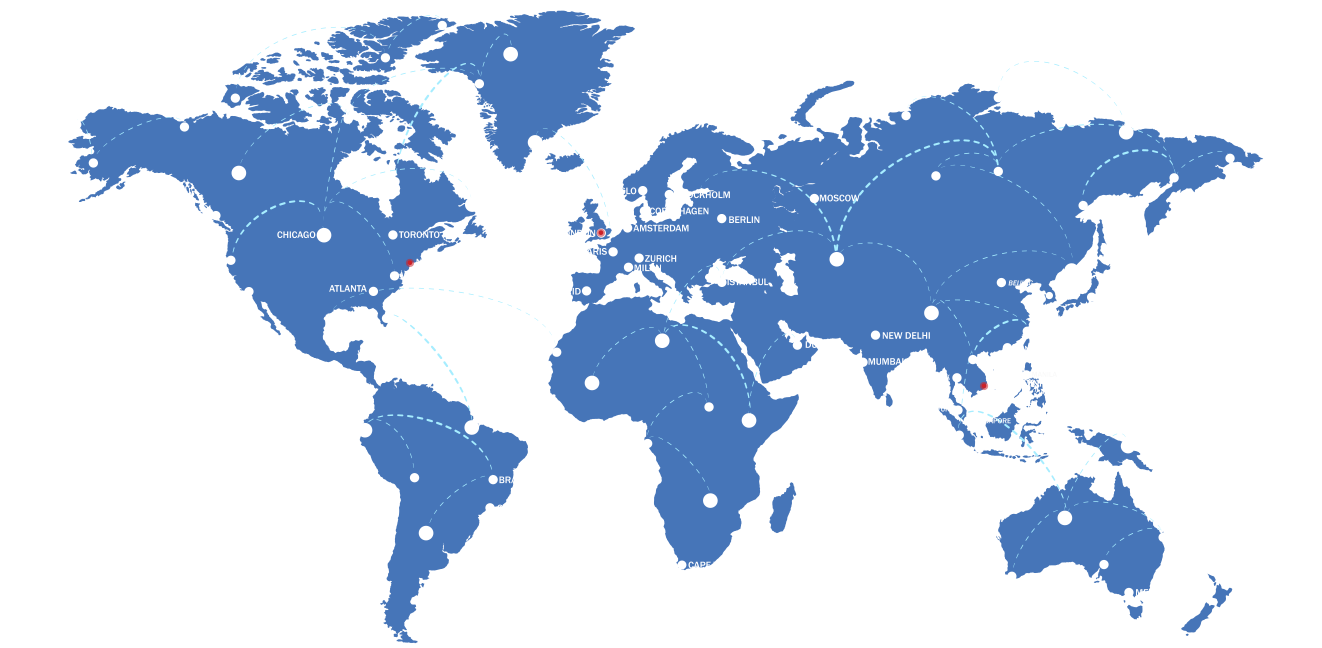

E-commerce has become an indispensable part of the modern global economy. The development of information technology and the internet has changed the way shopping and transactions are conducted worldwide. E-commerce not only helps businesses reach global customers but also opens up opportunities to connect economies and markets from different regions. With the support of the global network, e-commerce has changed the way consumers, businesses, and global partners interact.
1. E-Commerce: Concept and Importance
E-commerce is the activity of buying and selling goods and services over the internet. Not just a method of transaction, e-commerce is also a platform connecting consumers and businesses, making transactions faster, more convenient, and more efficient. E-commerce includes forms such as online sales, trading platforms (marketplaces), electronic payments, and online services.
a. Online Shopping
Today, consumers can easily search for and purchase goods from online stores without geographical limitations. E-commerce platforms such as Amazon, eBay, Alibaba, Shopee, and Lazada offer millions of products from global retailers, making it easy for customers to shop anytime and anywhere.
b. Online Services
In addition to selling physical products, e-commerce also includes online services such as online learning, consulting, SaaS (Software as a Service), financial services, and online insurance. This helps consumers easily access services conveniently and quickly without having to travel.
2. Global Network: The Backbone of E-Commerce
The global network, mainly the internet and digital infrastructure, acts as the backbone of e-commerce. This network connects businesses, service providers, consumers, banks, shippers, and other stakeholders in a complex but synchronized ecosystem.
a. Internet and Technology Network
The internet, with increasingly high connection speeds and low costs, is the core foundation for the development of e-commerce. Technologies such as cloud computing, big data, and artificial intelligence (AI) help companies manage consumer data, improve user experience, and optimize operating processes.
b. Payment Infrastructure
An important part of e-commerce is the online payment system. Electronic payment systems such as PayPal, Stripe, Alipay, and payment methods via credit cards and debit cards make transactions easier and safer. Global banks and financial institutions play an important role in processing cross-border transactions while ensuring security and safety for consumers.
c. Global Transportation
An indispensable factor in e-commerce is transportation and logistics companies. E-commerce platforms rely on a network of transportation companies such as DHL, FedEx, UPS, and domestic shipping services to deliver goods to consumers quickly and efficiently. These companies provide global delivery services, supporting everything from packaging and shipping to order tracking.
3. Benefits of E-Commerce in the Global Network
E-commerce in a global network brings great benefits to businesses and consumers, including the ability to expand markets, reduce costs, increase competitiveness, and improve user experience.
a. Access to the Global Market
One of the biggest benefits of e-commerce is the ability to access the global market without having to open a physical store. Small and medium-sized enterprises (SMEs) can reach customers in other countries without facing high costs or geographical barriers. Platforms like Shopify, WooCommerce, and Etsy help businesses easily open online stores and start selling globally.
b. Cost and Time Savings
With e-commerce, businesses can save operating costs, especially rental and personnel costs. Automation tools help businesses minimize costs related to warehousing, inventory management, and marketing. In addition, online transactions save time for consumers, as they can make transactions instantly from anywhere.
c. Improve Customer Experience
With e-commerce, consumers can easily and conveniently search, compare prices, and select products. Companies can use customer data to personalize the shopping experience, providing more relevant products and services. The customer review and feedback system helps consumers make accurate and reliable purchasing decisions.
4. Challenges of E-Commerce in the Global Network
Despite offering many benefits, global e-commerce also faces some major challenges, including issues related to security, legalities, and fierce competition.
a. Security and Safety
Security is an important issue in e-commerce. Businesses need to ensure that online transactions are protected from cybercrime threats, such as credit card fraud and personal information theft. Companies must invest in security solutions, data encryption, and compliance with consumer privacy protection regulations.
b. Legal Regulations and Policies
Each country has its own legal regulations for e-commerce, including taxes, consumer protection, and intellectual property rights. Companies need to comply with these regulations when participating in international markets, which requires a thorough understanding of the legal regulations in each country.
c. Global Competition
E-commerce creates a fiercely competitive environment, as companies compete not only with domestic competitors but also with international competitors. Finding and retaining customers in a global market requires businesses to have a strong marketing strategy, good customer care, and the ability to innovate continuously.
Conclusion
E-commerce and the global network have created a tremendous opportunity for businesses to expand operations into the international market. The global network not only makes transactions quick and convenient but also helps companies save costs, improve operational efficiency, and enhance customer experience. However, to succeed in this fiercely competitive environment, companies need to address the challenges of security, legal regulations, and maintain a competitive advantage through innovation and appropriate marketing strategies.