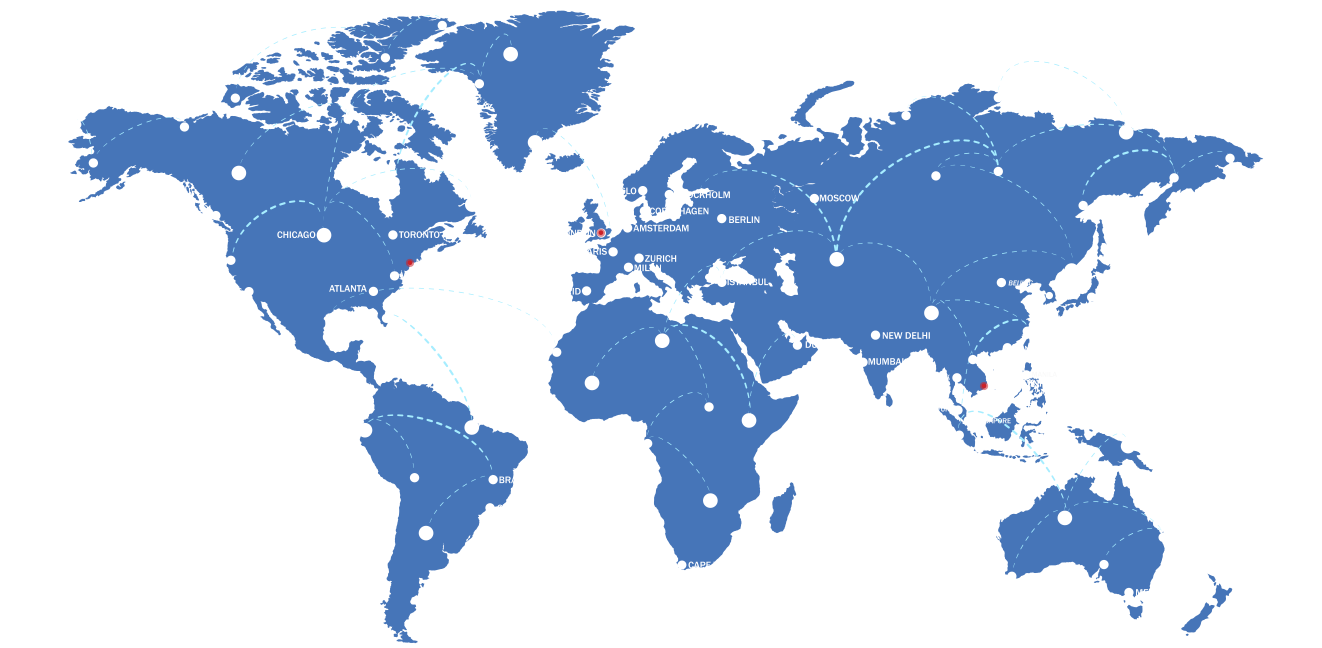

In the context of increasingly strong globalization, connecting economies and international communities plays a very important role in promoting sustainable development and creating diverse cooperation opportunities for countries and businesses. These economic relationships not only promote trade and investment but also create a global cooperation network, sharing resources and knowledge, helping to improve the quality of life and achieve common prosperity.
1. Globalization and International Economic Relations
Globalization is the process by which countries and economies around the world are increasingly interconnected through trade, investment, technology transfer, and other factors. This is a solid foundation that helps connect economies and international communities, creating a strong economic cooperation network.
a. Promoting International Trade
One of the key factors in connecting economies is promoting international trade. Free Trade Agreements (FTAs) and international organizations such as the World Trade Organization (WTO) play an important role in reducing tariff barriers, facilitating the exchange of goods and services between countries. This connection helps economies expand markets, enhance competitiveness, and promote economic growth.
b. International Investment Cooperation
International investment cooperation is also an indispensable part of connecting economies. Countries can attract investment from other countries to develop infrastructure, industry, and technology. At the same time, businesses also have the opportunity to expand markets and access international capital sources, helping to improve production capacity and increase labor productivity.
For example, China and the United States are the two largest economies in the world, and the connection between these two countries through trade and investment has helped significantly increase growth for both sides.
2. Sharing Global Knowledge and Technology
The connection between economies and international communities also creates opportunities to share knowledge and technology, helping countries develop and improve industries, thereby improving the quality of life for people.
a. Technology Transfer
Through connecting economies, countries can access and apply advanced technologies from developed countries. Large companies such as Google, Microsoft, and Tesla have shared new technologies in areas such as artificial intelligence, cloud computing, and renewable energy, creating opportunities for developing countries to apply them to their industries.
b. Training and Human Resource Development
Countries can cooperate to share knowledge about education and training, especially in technical, scientific, and technological fields. International scholarship programs, vocational training courses, or collaborative research projects all play an important role in developing human resources, especially in developing countries. This sharing helps improve the skill level of labor and contributes to economic development.
3. Creating Opportunities for Businesses and Expanding Business Networks
Connecting economies and international communities brings many opportunities for businesses to expand operations and increase scale. Businesses can learn from large international businesses and build more sustainable development strategies.
a. Accessing New Markets
International connectivity helps businesses access new markets, increase export opportunities, and increase revenue. This is especially important for small and medium-sized enterprises (SMEs), as they can use e-commerce platforms and international trade agreements to enter the international market without having to invest too much in infrastructure.
b. Creating Strategic Partnerships
By participating in the global business environment, businesses can establish strategic partnerships, find suppliers, distribution partners, or even international alliances. These relationships can help businesses reduce costs, optimize production processes, and expand customer networks.
4. Sustainable Development and Social Cooperation
One of the important factors in connecting economies and international communities is aiming for sustainable development, not only in economic terms but also in social and environmental terms.
a. Sustainable Development Initiatives
When countries and businesses connect globally, they can cooperate in promoting sustainable development initiatives such as environmental protection, mitigating the impact of climate change, and conserving natural resources. International organizations such as the United Nations (UN) and the World Bank are playing an important role in promoting international cooperation programs to protect the environment and develop a sustainable economy.
b. Cooperation in Solving Global Issues
Global issues such as climate change, poverty, and social inequality require cooperation between countries and international organizations. Connecting economies and international communities can help countries solve these problems more effectively, thanks to the sharing of experience, resources, and resources.
5. Conclusion
Connecting economies and international communities is a key factor in promoting global economic development. This process not only helps expand markets, promote investment, and develop technology but also creates opportunities for sustainable cooperation in environmental and social fields. Countries and businesses need to maximize the opportunities from international connectivity to develop and achieve common prosperity in an increasingly interconnected world.