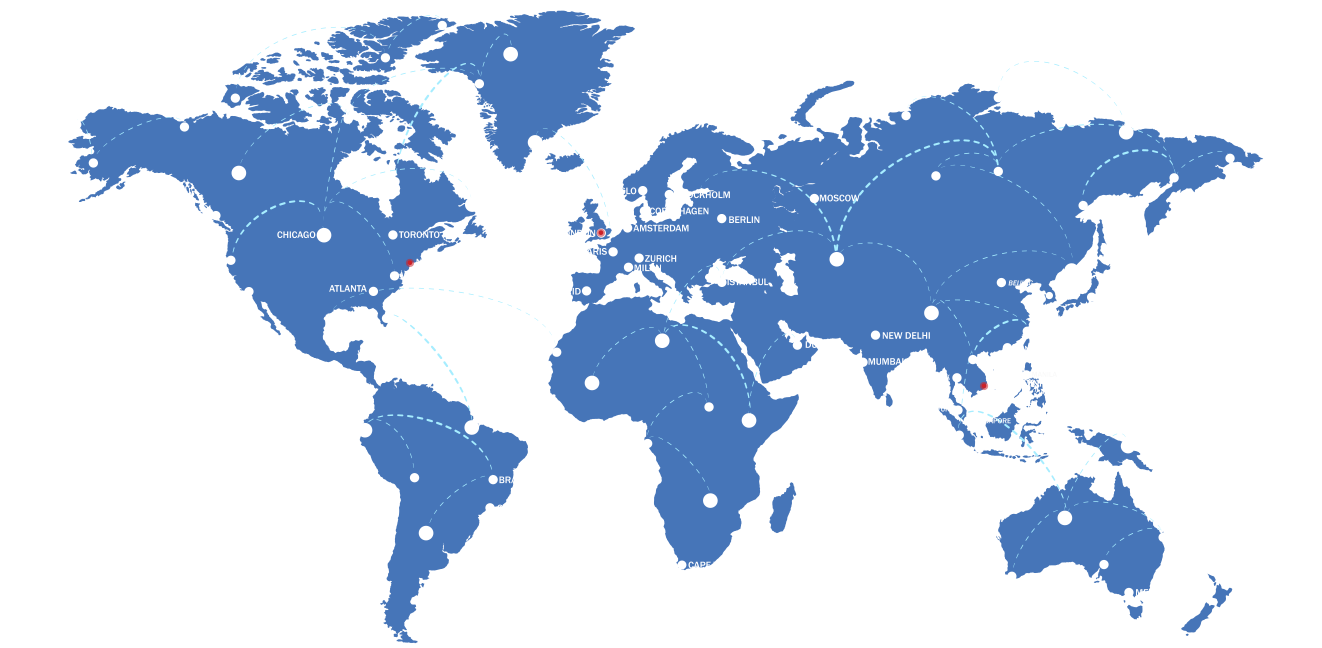

In the age of globalization, technology and international trade factors have broken down national border barriers, making it easier than ever for businesses to expand their markets and reach global customers. The rapid development of the internet, e-commerce, social media platforms, and international payment systems has created unprecedented opportunities for businesses, especially small and medium-sized enterprises, to reach a vast potential customer base anywhere in the world.
1. The Shift in Global Business Models
Previously, reaching global customers often required businesses to have a physical presence in target countries, through opening branches, representative offices, or manufacturing plants. However, in the digital age, the business model has changed. Thanks to e-commerce platforms, online sales websites, and digital marketing tools, businesses can reach and serve customers anywhere without needing to have offices or branches there.
For example, e-commerce platforms such as Amazon, Alibaba, or eBay have created a borderless business environment where suppliers can sell their products to customers worldwide with just a click.
2. Tools to Support Reaching Global Customers
a. E-Commerce
E-commerce has become an integral part of reaching global customers. Businesses can set up online stores, providing products and services to customers anywhere, from developed countries to emerging markets. Platforms like Shopify, WooCommerce, and BigCommerce help businesses build and operate online stores easily, while also integrating international payment methods, helping to expand the scale of business without being limited by national borders.
b. Social Media and Digital Marketing
Social media has become an extremely powerful tool for businesses to connect with global customers. Platforms like Facebook, Instagram, Twitter, LinkedIn, and TikTok allow businesses to directly reach customers anywhere in the world. Online advertising strategies (digital marketing) such as Facebook ads, Google Ads, and email marketing have helped businesses find, interact with, and retain customers in international markets.
c. Online Advertising and SEO
Search engine optimization (SEO) helps businesses attract global customers through online searches. By optimizing content and keyword strategy, businesses can appear in search results of search engines like Google, making it easy for customers from any country to find and access their products and services.
Online advertising (Google Ads, Facebook Ads) allows businesses to target customers according to their geographical criteria, interests, and behaviors, delivering high efficiency in reaching the global market.
3. Benefits of Reaching Global Customers
a. Expanding the Market and Revenue Growth
When businesses reach global customers, they are no longer limited by the size of the domestic market. Expanding internationally helps businesses access a larger market, with millions, even billions, of potential customers. This creates opportunities to increase revenue and optimize production scale, reduce unit product costs, and increase profits.
b. Building a Global Brand
Reaching global customers also means building a global brand. A business being able to appear and be recognized in international markets not only enhances brand value but also creates prestige and influence in the industry. Major corporations like Apple, Nike, and Coca-Cola are prime examples of building a global brand through a presence in many countries and strong recognition on all platforms.
c. Enhancing Flexibility and Competitiveness
Businesses can adjust product, marketing, and service strategies to suit the needs and trends of international customers. This not only helps improve competitiveness but also allows businesses to develop innovative products and services that meet the diverse needs of global customers.
4. Challenges When Reaching Global Customers
a. Cultural Differences and Consumer Tastes
One of the biggest challenges when reaching global customers is the difference in culture and consumer habits. Each country has its own culture, which affects how customers choose and use products and services. Therefore, businesses need to research and understand the local market to adjust marketing strategies and products accordingly.
b. Legal Barriers and International Regulations
Each country has its own legal regulations, including taxes, consumer protection, intellectual property rights, and import-export regulations. Businesses must understand international law and regulations in each market they wish to participate in to avoid violations and ensure smooth business operations.
c. Managing Supply Chains and International Shipping
When doing business globally, managing the supply chain and transporting products across countries becomes a major challenge. Businesses face the complexity of shipping goods, handling customs procedures, and ensuring timely delivery to customers. Optimizing logistics and partnering with international shipping partners can help businesses solve this problem.
5. Conclusion
Reaching global customers is an extremely important opportunity for businesses in the age of globalization. Thanks to the development of technology, e-commerce, and digital media platforms, businesses are no longer limited by national borders but can connect with and serve customers anywhere in the world. However, to succeed, businesses need to overcome challenges related to culture, legal matters, and logistics. By applying the right strategies and maximizing the use of support tools, businesses will have the opportunity to grow strongly and build a global brand.