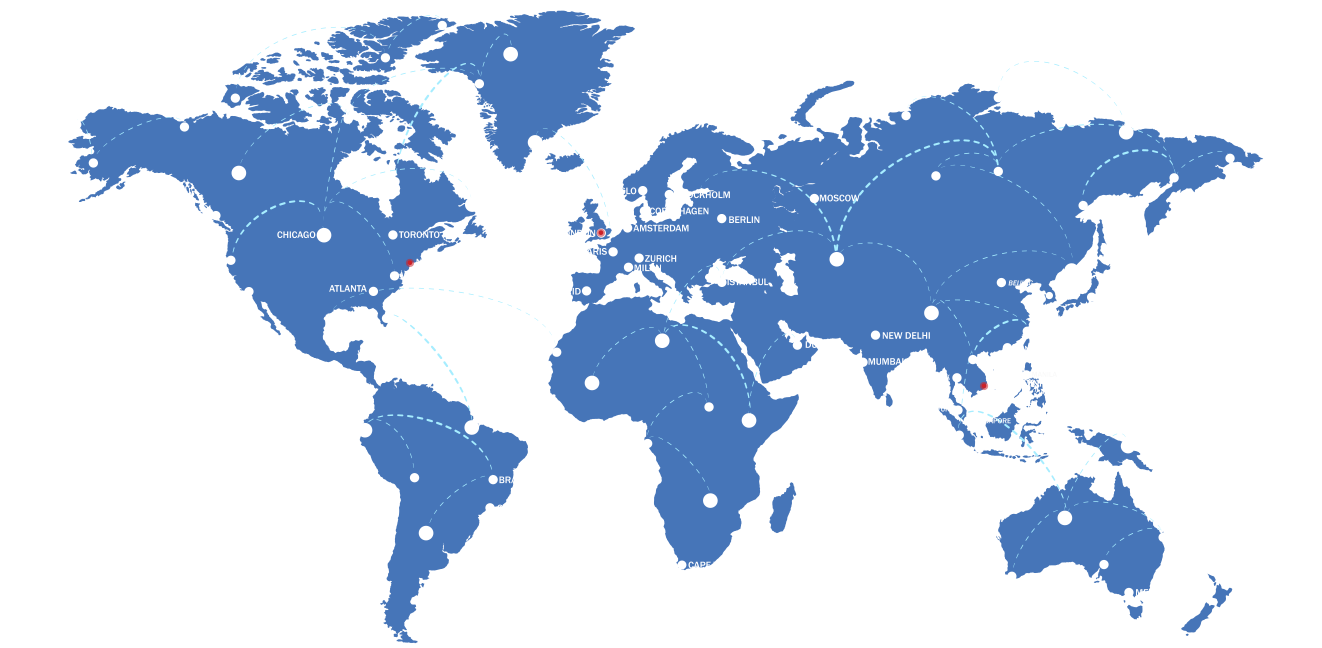

In today’s global business environment, businesses have many options for raising capital and developing sustainably. One of the effective methods is to partner with venture capital (VC) funds, private equity (PE) funds, or use international financial channels. These tools not only help businesses increase capital sources but also provide added value in terms of development strategy, market expansion, and building a global partner network.
1. Venture Capital (VC)
A venture capital (VC) fund is a type of investment fund that specializes in providing capital to newly established businesses or startups with high growth potential but also high risks. VC funds often invest in businesses in the early or growth stages, when businesses do not have enough ability to raise capital from traditional financial markets themselves.
Benefits of Working with Venture Capital Funds:
Support Rapid Growth: VC funds help startups access abundant capital, helping them accelerate their development, expand their scale, and increase products/services.
Expertise and Network: In addition to capital, VC funds also provide management experience, development strategy, and a global partner network, helping businesses build and implement effective business plans.
International Cooperation Opportunities: Many VC funds have a global vision and connections with international investors, helping businesses expand their markets and access international cooperation opportunities.
Challenges of Working with Venture Capital Funds:
Sharing Control: VC funds often require a significant equity stake in the business, which can affect the company’s control and strategic decisions.
Pressure for Rapid Growth: VC funds require businesses to achieve rapid growth and often have a limited investment period (from 3 to 7 years), which can put pressure on businesses.
2. Private Equity (PE)
Unlike venture capital funds, private equity (PE) funds mainly invest in companies that have a certain stability and are in the development or restructuring phase. PE funds often invest in private companies that are not listed on the stock exchange, and they can acquire all or part of the company’s shares.
Benefits of Working with Private Equity Funds:
Support Restructuring and Scaling: PE funds can help businesses implement restructuring plans, increase business value, and expand operations. They often provide financial and strategic development support.
Optimize Business Management: PE funds also play an important role in improving the quality of business management and operations. They can participate in the board of directors to provide strategic advice and improve company efficiency.
Enhance Capital and Liquidity: PE funds provide large capital and can participate in long-term investment strategies to increase shareholder value and improve liquidity for businesses.
Challenges of Working with Private Equity Funds:
Management and Control: PE funds often require control or direct participation in strategic decision-making, which can cause major changes in the management and development direction of the business.
Ideal for Restructuring or Selling the Business: The goal of PE funds is often to improve business value within a certain period (usually 4-7 years) to resell or restructure the business. This can lead to changes in the ownership structure or long-term strategy of the business.
3. International Financial Channels
In addition to partnering with venture capital and private equity funds, businesses can also raise capital through international financial channels such as listing on international stock exchanges, issuing international bonds, or using fundraising channels from international financial institutions.
Benefits of Working with International Financial Channels:
Access to Large Capital: International financial channels such as listing on international stock exchanges or issuing bonds help businesses access huge capital from investors around the world, thereby expanding their scale and implementing large projects.
Enhance Global Brand: Listing on international stock exchanges helps businesses enhance brand value, increase recognition and credibility from international partners.
Improve Liquidity: International financial channels create opportunities for businesses to improve liquidity and expand their stock and bond markets.
Challenges of Working with International Financial Channels:
Costs and Legal Regulations: The process of listing on international stock exchanges or issuing international bonds requires complex legal procedures and high costs. Businesses must comply with strict regulations from international financial institutions.
Market Risk and Financial Fluctuations: Raising capital through international financial channels also brings some risks, including fluctuations in global financial markets, exchange rates, and other macroeconomic factors that can affect fundraising ability and the value of stocks or bonds.
Conclusion
Businesses have many opportunities to raise capital and expand operations through partnerships with venture capital (VC) funds, private equity (PE) funds, or the use of international financial channels. Each investment method has its own benefits and challenges, and choosing to partner with one or more of these methods depends on the development stage of the business, growth strategy, and financial goals.
Partnering with investment funds not only brings abundant capital but also creates opportunities for businesses to improve governance, expand markets, and build a global partner network. However, businesses need to prepare well to meet investor requirements and be prepared to face changes in strategy and management when working with these investors.