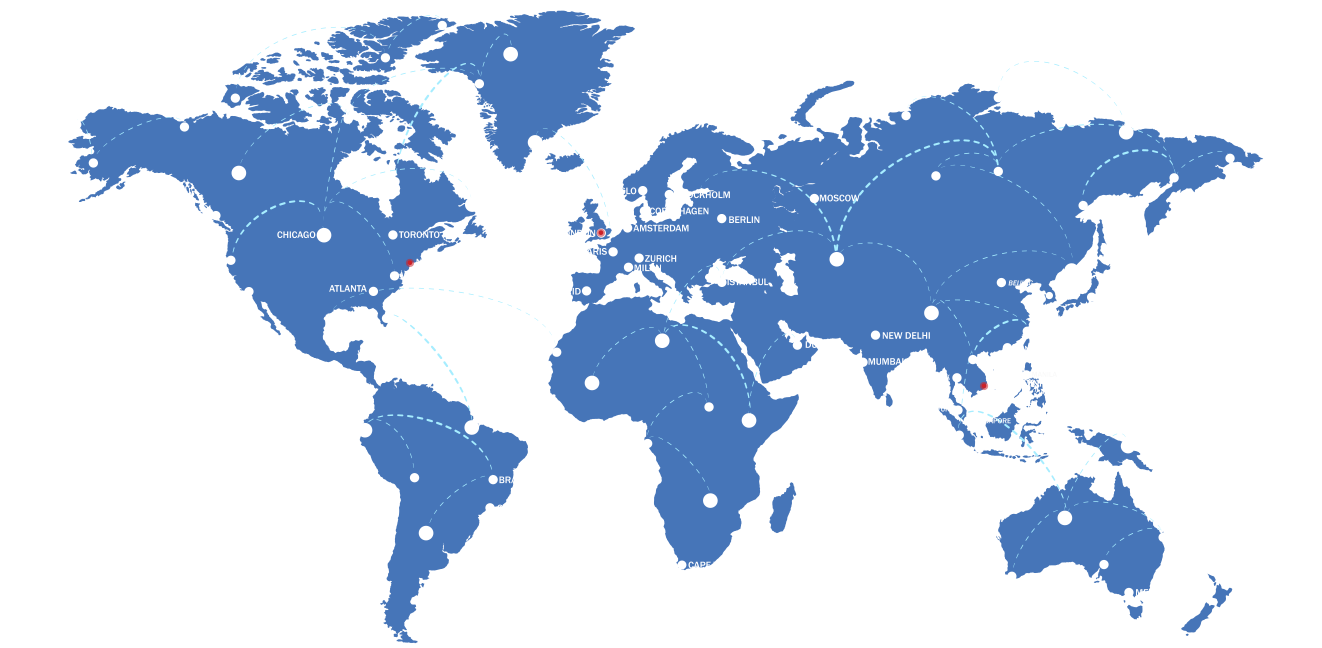

Expanding into the global market is not only an opportunity for businesses to grow and develop, but also presents significant challenges. Businesses need to deal with differences in culture, legal regulations, as well as fluctuations in the international market. In this context, a team of employees with solid knowledge of these factors will be key to helping businesses overcome difficulties and maximize opportunities in global markets.
1. Understanding Culture-An Important Factor in a Multicultural Environment
One of the important factors when businesses expand to international markets is the ability to understand and work effectively in a multicultural environment. Each country and region has its own unique culture, which affects the way of doing business, consumer habits, and commercial transactions. Employees with knowledge of the culture and customs of the host country will help businesses avoid unfortunate mistakes in building marketing strategies, promoting products, and communicating with partners.
For example, understanding the habits and expectations of customers in each market can help businesses develop suitable products, thereby increasing their acceptance and success in that market. A marketing strategy that is appropriate to the cultural characteristics and consumer behavior of local people will be much more effective than general strategies.
2. Mastering Legal Regulations and International Market Policies
Each country has its own legal system and regulations regarding taxes, labor, consumer protection, environmental protection, etc. These regulations can differ significantly between countries, and if businesses do not understand or comply with these requirements, they may face serious legal problems, even fines or suspension of operations.
Employees with knowledge of international regulations, trade agreements, and legal requirements of each country will help businesses minimize risks and ensure that business activities comply with the law. This not only protects businesses from legal disputes but also creates trust for international partners and customers, helping businesses maintain long-term operations in foreign markets.
3. Analyzing International Markets-Leveraging Opportunities from New Markets
Each international market has its own unique characteristics in terms of needs and level of competition. Therefore, having employees who understand the target market will help businesses analyze, assess opportunities, and choose appropriate strategies to enter and develop in that market.
Employees with the ability to research international markets, evaluate factors such as consumer trends, industry development level, and competitors will help businesses identify profitable opportunities and avoid unnecessary risks. They can also identify gaps in the market that businesses can exploit, or strategic partnership opportunities with international partners.
4. Building Strong International Partnerships
In the global business environment, strategic partnerships are an important factor in helping businesses develop and expand into new markets. Employees with knowledge of the processes, practices, and methods of communication in an international environment will play an important role in building and maintaining sustainable partnerships.
They will help businesses build trust and respect from international partners, thereby expanding the business network and promoting cooperation. In addition, employees with experience working in international markets will also find it easier to negotiate international contracts, resolve arising disputes, and negotiate favorable terms for the business.
5. Optimizing International Operating Processes
Expanding to international markets requires businesses to optimize operating processes to ensure efficiency and minimize costs. Employees with international knowledge of logistics, supply chains, and production processes will help businesses optimize the transportation of goods, find reliable suppliers, and handle problems arising in the production and distribution process.
They will help businesses choose partners, suppliers, and experienced transportation partners who understand the local market, thereby minimizing risks and ensuring that the business’s products always reach customers on time and with the required quality.
Conclusion
Having a team of employees who understand culture, markets, and international regulations is an important factor in helping businesses overcome challenges when expanding into the global market. These employees not only help businesses avoid mistakes and risks but also help maximize opportunities, from building appropriate strategies, developing international partnerships, to optimizing operating processes and building a solid position in the international market. Therefore, training and developing a workforce with international knowledge is an indispensable factor for the success of businesses in the global business environment.